

Have you ever wondered why businesses still invest heavily in email despite the rise of social media, AI tools, and new marketing channels? Many people assume email is outdated, yet the numbers and real-world results tell a different story. In fact, email marketing continues to help businesses attract leads, nurture relationships, and generate sales in ways that few channels can match.
Some marketers predicted that social media platforms and instant messaging apps would replace email. That never happened. Instead, email marketing has evolved. Thanks to automation, AI-powered personalisation, and improved audience segmentation, businesses can now send more relevant messages and build stronger connections with subscribers. This is one of the biggest reasons why email marketing still works now and why companies of all sizes continue to rely on it.
Unlike social media, where algorithms control who sees your content, email gives you direct access to your audience. Whether you run an online store, a SaaS company, a blog, or a local business, email remains one of the most effective ways to communicate with customers and encourage repeat purchases. That is why many experts still consider email marketing one of the highest-return marketing channels available today.
So, is email marketing still effective today? The short answer is yes. Far from disappearing, email has adapted to changing customer behaviour and new technologies. In this article, I'll show you why businesses still depend on email marketing, the factors behind its continued success, and why it should remain an important part of your long-term marketing strategy.
Table of Contents
What Has Changed in Email Marketing?
Email marketing has come a long way over the years. Gone are the days when businesses blasted the same message to everyone on their lists and hoped for the best. Email marketing is more intelligent, more personalised, and better equipped to meet the needs of modern consumers.
One of the biggest changes is the rise of artificial intelligence. AI-powered tools can help businesses write subject lines, create content, recommend products, and send emails at the right time. As a result, email marketing allows you to deliver more relevant messages and improve customer engagement without spending countless hours managing campaigns manually.
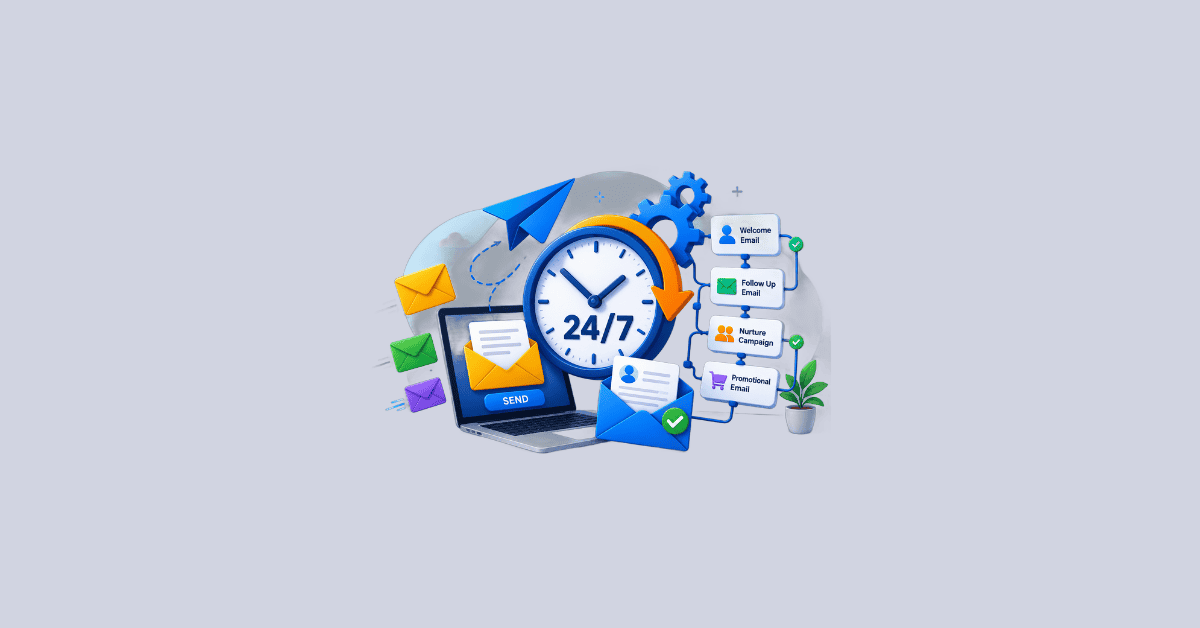
Automation has also changed the way businesses communicate with their audiences. Instead of sending every email by hand, marketers can create automated workflows that welcome new subscribers, recover abandoned carts, follow up with leads, and nurture customers throughout their journey. These automated campaigns help save time while increasing conversions and customer satisfaction.
Another major shift is the growing importance of personalisation. People no longer respond well to generic messages. They expect you to understand their interests and provide content that matches their needs. Thanks to advanced segmentation and customer data, you can send highly targeted campaigns that feel more personal and valuable. This is one reason why email marketing still works despite increasing competition from other channels.
Privacy regulations and changes in online tracking have also influenced the future of email marketing. With third-party cookies becoming less reliable, businesses are placing greater importance on first-party data. Building an email list has become more valuable because it gives companies direct access to their audience without relying heavily on social media platforms or paid advertising.
These changes have transformed email from a simple communication tool into a powerful marketing channel. Rather than fading away, email marketing has adapted to new technologies and customer expectations. That adaptability is a major reason businesses still rely on email marketing and why it remains one of the most effective ways to build relationships and drive revenue.
10 Reasons Why Email Marketing Still Works
Despite the emergence of new marketing channels and AI-powered tools, email remains one of the most effective ways to reach and engage customers. In fact, email marketing continues to help businesses generate leads, increase sales, and build long-term relationships with their audience. From its impressive return on investment to the growing importance of first-party data, there are many reasons why email marketing still works today. Below are 10 key reasons businesses of all sizes continue to depend on email marketing as an essential part of their growth strategy.
You Own Your Email List
One of the biggest reasons why email marketing still works is that you own your email list. Unlike social media platforms, where you are essentially building your audience on a borrowed algorithm, an email list gives you direct access to people who have chosen to hear from your business. That level of control makes email marketing one of the most valuable assets a company can have.
Social media platforms are great for building awareness, but your followers do not truly belong to you. Facebook, Instagram, TikTok, and other networks control how and when your content is shown. A change in their algorithm can drastically reduce your reach overnight, making it harder to connect with the audience you worked hard to build.
Many businesses have experienced this firsthand. One day, a post reaches thousands of followers, and the next day, engagement drops without warning. Since social media platforms own the audience, you have little control over these changes. Email subscribers are different. When people join your mailing list, they are permitting you to communicate with them directly. You can segment your audience, send personalised messages, and build long-term relationships without depending on a third-party platform.
Your email list is also your business asset that grows in value over time. Whether you run an e-commerce store, a blog, a SaaS company, or a small business, having a list of engaged subscribers gives you a reliable way to promote products, share updates, and drive repeat sales.
Algorithms are constantly changing. What works on social media today may not work tomorrow. Organic reach can decline, advertising costs can rise, and platforms can introduce new rules that affect your visibility. With email marketing, however, your audience remains yours. You are not at the mercy of changing algorithms or limited reach. As long as subscribers stay on your list, you can continue communicating with them whenever needed. This stability gives your business a level of independence that few other marketing channels can offer.
Email Marketing still Delivers High ROI
One of the biggest reasons email marketing continues to thrive is its ability to deliver an impressive return on investment. While many marketing channels have become more expensive and competitive, email continues to provide businesses with a cost-effective way to attract leads, nurture customers, and generate sales. Whether you’re running a startup, an e-commerce store, or an established company, email marketing remains one of the most profitable channels available.
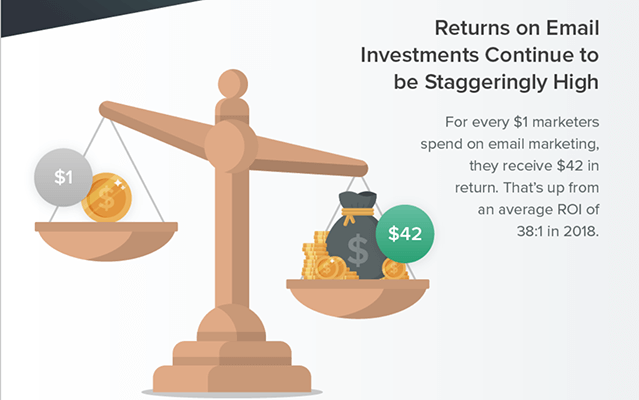
Few marketing strategies can match the return that email marketing delivers. According to industry studies, businesses earn an average of $42 for every $1 spent on email marketing. That means even a modest investment can produce significant results when campaigns are properly planned and targeted. Unlike paid advertising, which stops generating traffic as soon as you stop spending money, email campaigns can continue driving engagement and sales over time. Automated sequences, newsletters, and follow-up emails allow you to maximise revenue while keeping costs under control.
Compared with traditional advertising and paid social media campaigns, email marketing is relatively affordable. Most email marketing platforms offer flexible pricing plans, allowing businesses to start with a small budget and scale as their subscriber lists grow. In addition, email marketing eliminates many of the costs associated with print advertising, direct mail, and expensive pay-per-click campaigns. With the right strategy, businesses can reach thousands of subscribers, promote products, and maintain customer relationships without spending a fortune.
Small businesses and startups often have limited marketing budgets, making email marketing an attractive option. A well-built email list allows businesses to communicate directly with prospects and customers without relying heavily on costly advertising platforms. For example, a small online store can use automated emails to welcome new subscribers, recover abandoned carts, and recommend products based on previous purchases. These simple campaigns can generate steady revenue without requiring a large team or a substantial marketing budget. Because of its affordability and effectiveness, email marketing remains a smart choice for entrepreneurs and growing businesses looking to maximise their marketing spend.
AI Has Made Email Marketing More Powerful
Artificial intelligence (AI) has transformed the way businesses create and manage email campaigns. Rather than replacing email marketing, AI has made it smarter, faster, and more effective. From content creation to audience segmentation, AI-powered tools help businesses deliver better experiences and improve campaign performance. AI is one of the main reasons email marketing remains effective and continues to be an essential part of modern marketing strategies.
Today’s consumers expect relevant content, and AI makes personalisation easier than ever. By analysing customer behaviour, purchase history, and engagement patterns, AI can help you send emails that match the interests and needs of individual subscribers. For example, an online store can automatically recommend products based on previous purchases, while a SaaS company can send targeted emails based on how customers use its software. These personalised experiences make subscribers feel valued and often lead to higher open rates, click-through rates, and conversions.
Creating engaging emails used to require a lot of time and effort. With AI-powered tools, you can now generate subject lines, write email copy, suggest calls to action, and even optimise content for better engagement. This doesn’t mean AI replaces human creativity. Instead, it acts like an assistant that helps marketers work more efficiently. You can spend less time creating campaigns and more time focusing on strategy and customer relationships. As a result, email marketing has become more productive and accessible, even for small businesses with limited resources.
AI also helps businesses understand their audiences more effectively. Through predictive analytics, email marketing platforms can identify patterns and forecast customer behaviour. This allows you to anticipate what subscribers may be interested in and send more timely and relevant messages. Smart segmentation is another major advantage. Instead of sending the same email to everyone, AI can group subscribers based on factors such as interests, demographics, purchase history, and engagement levels. This targeted approach improves the customer experience and increases the likelihood of conversions.
Automation Works Around the Clock
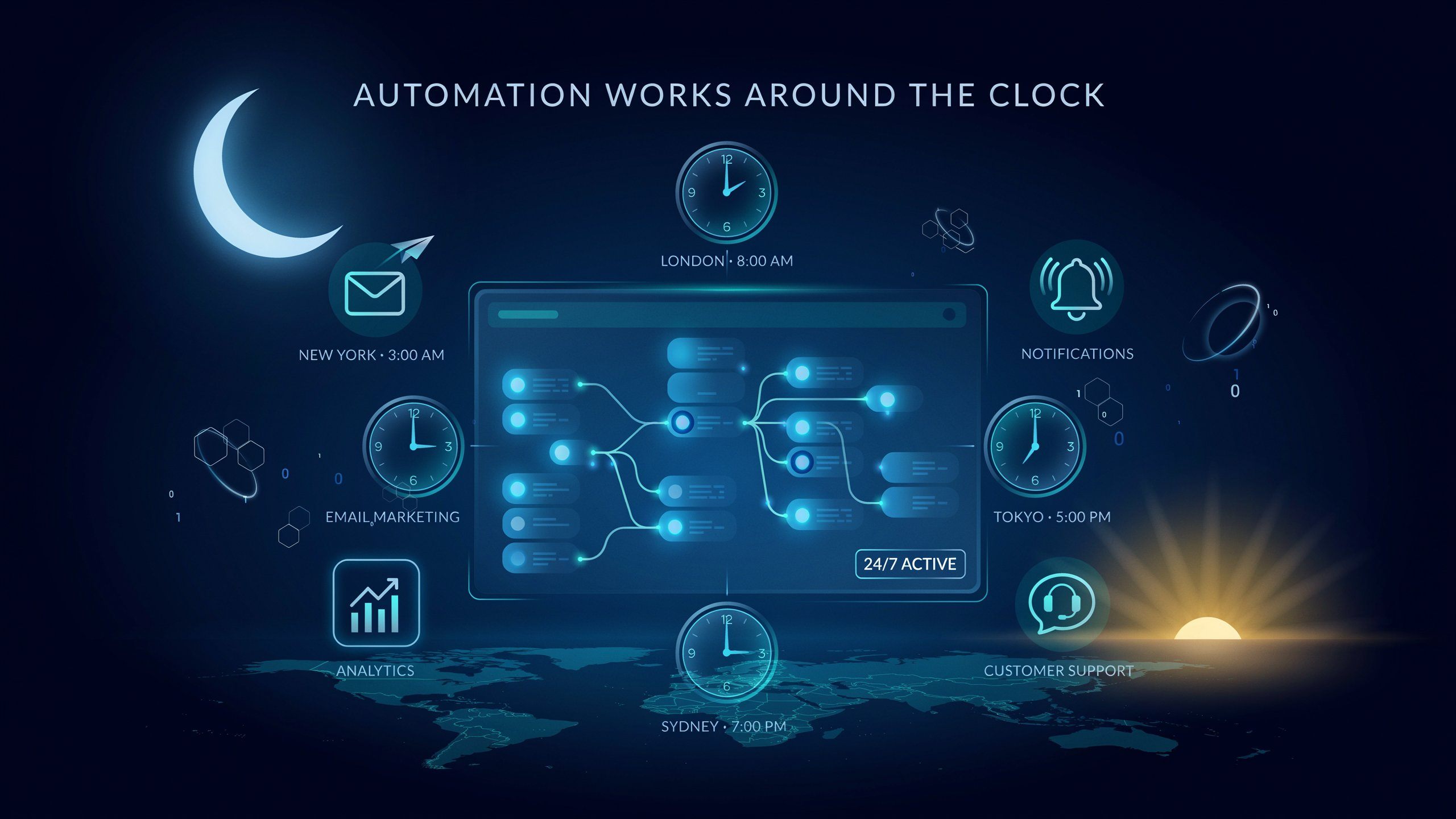
Another reason why email marketing still works is the power of automation. You no longer have to send every email manually or spend hours following up with customers one by one. Modern email marketing platforms, such as MailerLite, HubSpot and Sender, allow you to automate repetitive tasks, deliver timely messages, and create personalised experiences that drive more sales. By setting up automated workflows, you can stay connected with your audience around the clock while focusing on other important areas of growth. This combination of efficiency and profitability is why email automation has become an essential part of modern email marketing.
First impressions matter, and automated welcome emails help businesses make a strong one. When someone joins your mailing list, a welcome sequence can introduce your brand, share useful resources, and guide subscribers toward taking the next step. Instead of manually sending emails to every new subscriber, you can create a series of automated messages that run in the background. These emails help build trust from the beginning and often lead to higher engagement and conversions.
Many online shoppers add products to their carts but leave without completing their purchases. Without follow-up, these sales could be lost forever. Automated abandoned cart emails help recover a portion of that lost revenue by reminding customers about the products they left behind. You can even include product recommendations, discount offers, or limited-time promotions to encourage shoppers to complete their orders. For e-commerce companies, this simple automation can significantly increase sales.
Email Marketing Builds Stronger Customer Relationships
Building lasting relationships with customers is one of the biggest reasons why email marketing still works. While attracting new customers is important, keeping existing ones engaged is equally valuable. Email provides a direct and personal way to stay in touch with your audience, share valuable information, and build meaningful relationships over time.
Unlike paid ads that disappear once the campaign ends, email allows you to maintain ongoing conversations with customers. These regular interactions help strengthen trust, improve loyalty, and encourage repeat purchases. People are more likely to buy from brands they know and trust. Email marketing allows you to stay in front of your audience through newsletters, educational content, product updates, and special offers.
Consistent communication helps customers become familiar with your brand. Instead of reaching out only when it’s time to sell something, your business can provide value through helpful tips, industry news, and exclusive insights. Over time, this approach builds credibility and strengthens customer confidence. For example, a fitness coach might send weekly health tips, while a software company could share tutorials and feature updates. These simple touchpoints keep customers engaged and reinforce trust.
Personalisation Improves Engagement and Conversions
Another reason why email marketing still works is that it allows businesses to deliver highly personalised experiences. Today’s consumers expect more than generic messages sent to everyone on a mailing list. They want content that matches their interests, preferences, and needs. Fortunately, modern email marketing platforms, such as Kit, GetResponse and Moosend, make personalisation easier than ever.
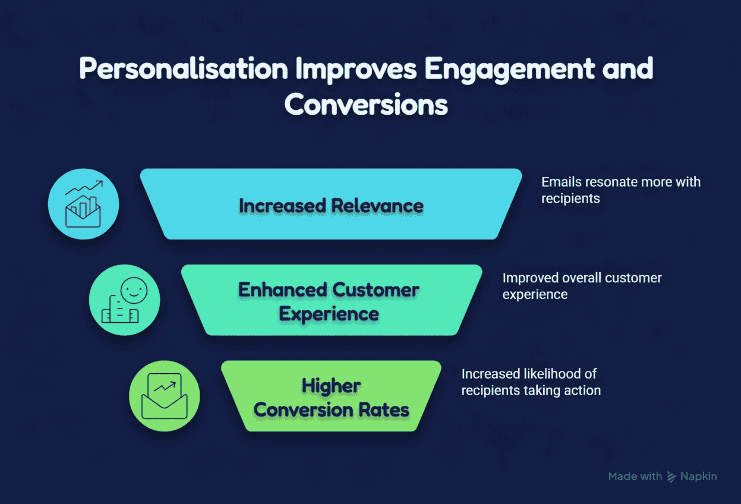
By using customer data and audience segmentation, businesses can send more relevant emails that capture attention, encourage engagement, and drive more conversions. This targeted approach helps explain why email marketing in 2026 remains one of the most effective digital marketing channels. Sending the same email to every subscriber rarely produces the best results. People have different interests, buying habits, and stages in the customer journey. Segmenting your email list allows you to group subscribers based on factors such as demographics, purchase history, location, or engagement levels.
For example, an online store can send different promotions to first-time buyers and loyal customers. Likewise, a SaaS company can create separate campaigns for trial users and paying customers. By delivering messages that are more relevant to each audience segment, businesses often see higher open rates and better overall performance. Segmentation also helps reduce unsubscribe rates because subscribers receive content that aligns with their interests instead of irrelevant messages.
First-Party Data is More Valuable than Ever
As privacy regulations continue to evolve and third-party cookies become less reliable, businesses are placing greater importance on first-party data. This shift is another major reason why email marketing still works. By collecting information directly from subscribers, companies can better understand their audience and create more effective marketing campaigns without relying heavily on external platforms. Since email subscribers willingly share their information, you can build stronger relationships while maintaining greater control over their marketing efforts. This direct access to customer data has made email marketing more valuable than ever.
Over the last few years, stricter privacy laws and changes in browser tracking have forced businesses to rethink how they collect and use customer data. Regulations such as the GDPR and other privacy laws have increased the demand for transparent, permission-based marketing practices. At the same time, major technology companies have reduced support for third-party cookies, making it harder for advertisers to track users across the web. As a result, businesses can no longer rely solely on paid ads and external data sources to understand their customers. These changes have pushed marketers toward channels that provide direct and reliable access to their audience, and email marketing has emerged as one of the strongest options.
Email Marketing Works Alongside Social Media and SEO
Contrary to what some people believe, email marketing does not compete with social media or search engine optimisation. Instead, these channels complement one another and work together to help businesses attract, engage, and convert customers. This synergy is one of the reasons why email marketing still works and remains an important part of a successful digital marketing strategy. While social media helps brands reach new audiences and SEO drives organic traffic, email marketing strengthens relationships and keeps prospects engaged long after their first interaction. Together, these channels create a powerful marketing ecosystem that supports long-term growth.
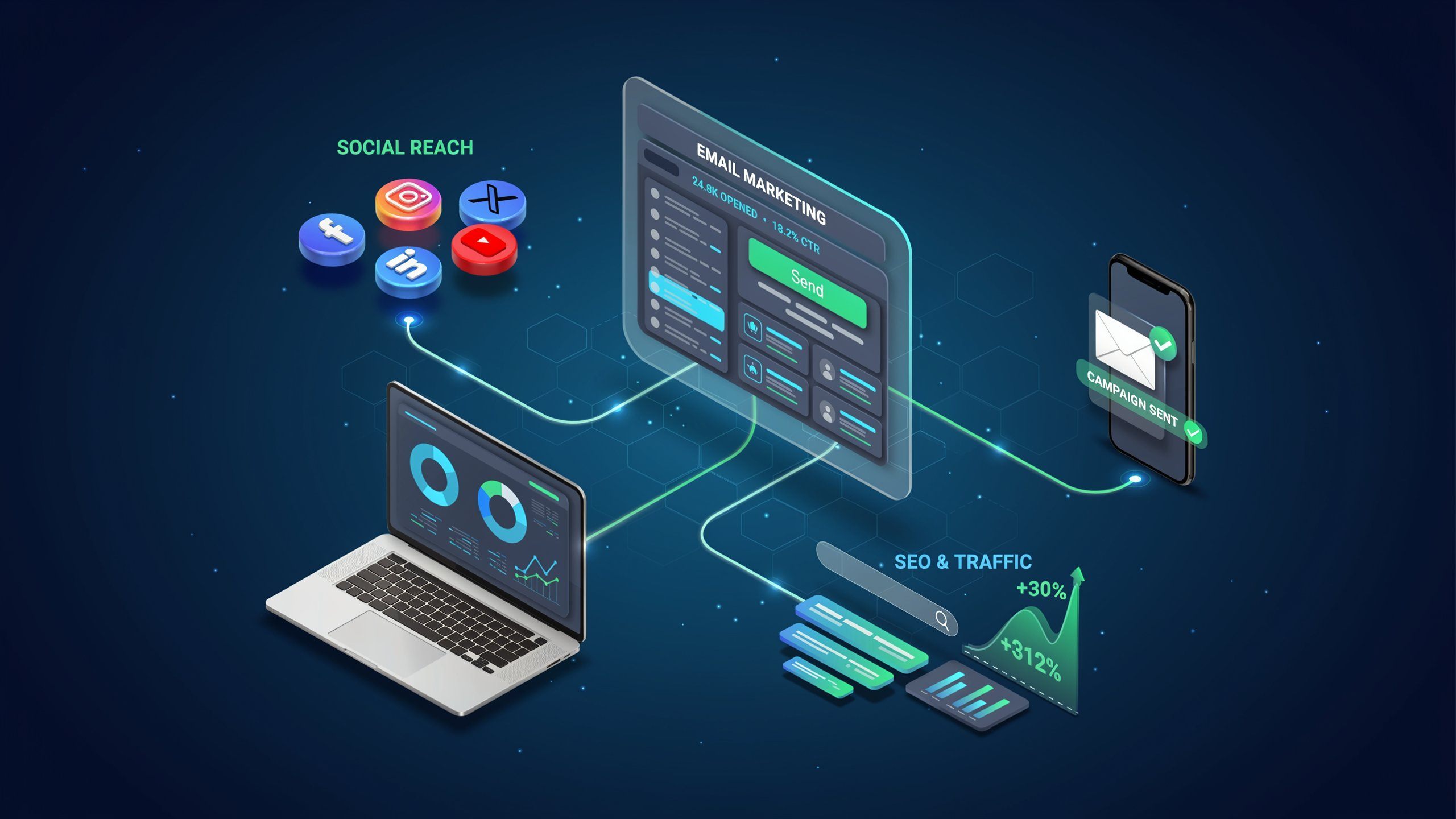
Social media platforms are excellent for increasing brand awareness and attracting potential customers. You can use Facebook, Instagram, LinkedIn, X, TikTok, and other platforms to share valuable content and encourage followers to join your email lists. For example, companies often promote lead magnets such as ebooks, newsletters, webinars, or exclusive discounts to convert social media followers into email subscribers. Once people join the mailing list, businesses gain direct access to an audience they can communicate with without depending entirely on social media algorithms.
This approach allows brands to turn casual followers into loyal subscribers and paying customers. Search engine optimisation helps websites attract visitors, but email marketing helps keep that traffic coming back. Businesses can use email campaigns to share blog posts, announce new products, promote videos, and distribute other content that keeps subscribers engaged.
Email Marketing Works for Businesses of all Sizes
One of the reasons why email marketing still works is its versatility. Unlike some marketing channels that require large budgets or specialised teams, email marketing can be used effectively by businesses of all sizes. Whether you’re a solo entrepreneur, a growing startup, or a multinational company, email provides a cost-effective way to connect with customers, build relationships, and drive revenue.
From bloggers and content creators to e-commerce stores and SaaS companies, businesses across different industries continue to rely on email marketing because it scales with their needs. This flexibility has made email one of the most widely used marketing channels in the world.
Small businesses often face limited budgets and intense competition. Fortunately, email marketing levels the playing field by giving them direct access to their audience without requiring massive advertising expenses. For example, a local business can use email newsletters to share updates, announce promotions, and encourage repeat purchases. Automated campaigns can help maintain customer relationships and generate sales without requiring a large marketing team. Because email marketing platforms are affordable and easy to use, small businesses can achieve impressive results even with limited resources.
Email Continues to Adapt to New Technology
One of the biggest reasons why email marketing still works is its ability to evolve with changing technology. Over the years, many people have predicted the decline of email, only to see it become even more effective. Rather than being replaced by new technologies, email marketing has embraced innovation and continued to improve.
From artificial intelligence and advanced automation to interactive content and smarter analytics, email marketing looks very different from what it was a decade ago. Its ability to adapt to changing customer expectations and technological advancements is what keeps it relevant and valuable for businesses.
Modern email campaigns are becoming increasingly interactive and engaging. Features such as image carousels, surveys, quizzes, appointment booking forms, and product recommendations allow subscribers to interact with content directly from their inboxes. These interactive experiences help capture attention and make emails more engaging. As a result, businesses can encourage greater participation and improve conversion rates without requiring subscribers to leave their email applications.
The Future of Email Marketing
If history has taught marketers anything, it’s that email marketing is remarkably good at adapting to change. Over the years, email has evolved from a simple communication tool into a powerful channel for building relationships, nurturing leads, and driving revenue. Looking beyond, there is little evidence to suggest that email marketing is slowing down.
Instead, emerging technologies and changing consumer expectations are likely to make email even more effective. Businesses that embrace these changes will be better positioned to deliver more personalised experiences and stay ahead of the competition.
- AI Will Continue to Transform Email Marketing
Artificial intelligence is expected to play an even bigger role in the future of email marketing. AI-powered tools will help businesses automate repetitive tasks, analyse customer behaviour, and deliver highly relevant messages at the right time. As machine learning improves, marketers will be able to predict customer needs more accurately and create campaigns that feel increasingly personal. This shift will allow businesses to build stronger relationships while improving engagement and conversions.
- Hyper-Personalisation Will Become Standard
Consumers are demanding more relevant experiences, and generic emails are becoming less effective. In the coming years, hyper-personalisation will likely become the norm. Instead of sending broad campaigns to large groups, businesses will use customer data, AI, and behavioural insights to create one-to-one experiences. Product recommendations, dynamic content, and personalised offers will become more sophisticated, making email marketing even more valuable in the future.
- Privacy and First-Party Data Will Matter More
Privacy concerns and stricter regulations are changing how businesses collect and use customer information. As third-party cookies continue to disappear, companies will increasingly rely on first-party data gathered directly from subscribers. Businesses that focus on transparency, trust, and permission-based marketing will have a significant advantage. Building and maintaining a high-quality email list will become even more important in the years ahead.
- Interactive Emails Will Improve Engagement
Future email campaigns are expected to become more interactive. Features such as surveys, quizzes, appointment scheduling, and product carousels will make emails more engaging and reduce the need for subscribers to leave their inboxes. These interactive experiences can improve customer satisfaction and increase conversions, helping businesses create stronger connections with their audiences.
- Automation Will Become Smarter
Email automation will continue to evolve beyond simple autoresponders. Advanced workflows powered by artificial intelligence will allow you to send messages based on customer behaviour, preferences, and buying patterns. From onboarding sequences to re-engagement campaigns, smarter automation will help marketers deliver more timely and relevant experiences while saving time and resources.
- Email Marketing Will Remain a Core Channel
Although new technologies and platforms will continue to emerge, the need for direct communication with customers is unlikely to disappear. Social media trends may come and go, but email provides something many businesses value: ownership, control, and direct access to their audience. For this reason, email marketing will likely remain a key part of digital marketing strategies for years to come. Rather than being replaced, it will continue to evolve alongside other channels and technologies.
Final Thoughts
Despite the rise of social media, AI tools, and new communication channels, email has proven that it is far from obsolete. In fact, the many advancements in automation, personalisation, and artificial intelligence have made email marketing more effective than ever. This is exactly why email marketing still works and why businesses across different industries continue to rely on it.
From owning your audience and generating impressive returns on investment to building stronger customer relationships and leveraging first-party data, email offers advantages that few marketing channels can match. Whether you’re a blogger, entrepreneur, e-commerce store owner, or SaaS company, email marketing remains one of the most reliable ways to engage your audience and grow your business.
The key to success, however, is not simply sending more emails. Businesses that focus on delivering value, understanding their subscribers, and embracing new technologies will achieve the best results. As email marketing continues to evolve, those who adapt will be in the strongest position to build trust, increase conversions, and drive long-term growth. Simply put, email marketing isn’t dying. It’s evolving. And as we move beyond this year, it will continue to play a central role in helping businesses connect with customers and turn relationships into revenue.
Frequently Asked Questions (FAQs)
Is email marketing still effective now?
Yes, email marketing is still very effective today. Businesses continue to use it because it delivers strong returns, supports customer relationships, and provides direct access to audiences without relying on social media algorithms.
Why does email marketing still work when social media is popular?
Social media is great for visibility, but it does not guarantee reach. Email marketing remains effective because businesses own their email lists and can communicate directly with subscribers without relying on platform algorithms or restrictions.
What makes email marketing better than social media?
Email gives businesses more control. You can segment your audience, personalise messages, and track performance more accurately. Unlike social media, your audience is not affected by algorithm changes.
Does email marketing still deliver a high ROI?
Yes. Email marketing is known for its strong return on investment. Many businesses see significant returns because it is low-cost, scalable, and effective for both sales and customer retention.





0 Comments